The Timeless Elegance of a Candelabru: A Comprehensive Guide to Choosing the Perfect Chandelier
The Timeless Elegance of a Candelabru: A Comprehensive Guide to Choosing the Perfect Chandelier
When it comes to interior lighting, few fixtures command as much attention and admiration as the . This classic lighting piece has been a symbol of sophistication and grandeur for centuries, evolving from candle-lit ironwork to modern LED masterpieces that illuminate homes with both style and efficiency. Whether you are decorating a sprawling mansion or a cozy apartment, understanding the nuances of a candelabru can transform your space. In this guide, we will explore everything from historical roots to contemporary designs, helping you make an informed decision for your home.
Lighting is not just about visibility; it sets the mood, defines the architecture, and reflects your personal taste. A well-chosen candelabru becomes the centerpiece of a room, drawing the eye upward and creating a sense of balance. Today, with advancements in LED technology, these fixtures are more versatile and energy-efficient than ever. For instance, modern offer adjustable brightness, color temperatures, and even smart home integration, allowing you to customize the ambiance at the touch of a button. This blend of tradition and innovation makes the candelabru an enduring favorite among designers and homeowners alike.
But what exactly is a candelabru? Traditionally, it refers to a branched, decorative lighting fixture that hangs from the ceiling, often adorned with crystals, glass, or metal details. The word itself has Latin roots, meaning “candle holder,” but today it encompasses a wide range of styles from rustic wrought iron to sleek minimalist forms. In this article, we will delve into the key factors to consider when selecting a candelabru, from size and placement to material and maintenance. We will also look at how to incorporate a space to enhance comfort and aesthetic appeal.
Understanding the Anatomy of a Candelabru
Before you start shopping, it is helpful to understand the basic components of a candelabru. Most fixtures consist of a central stem or body, multiple arms or branches, and sockets for bulbs. The canopy is the part that attaches to the ceiling, often hiding the wiring. The arms can be straight, curved, or even adjustable, depending on the design. Materials range from brass, chrome, and nickel to wood, glass, and acrylic. The finish can be polished, matte, antique, or painted, each contributing to the overall style.
Modern candelabru often incorporate LED modules instead of traditional bulbs, which reduces heat output and energy consumption. Some models feature integrated dimmers and remote controls, making them highly functional. When evaluating a fixture, consider the number of bulbs or LED chips—more light sources generally produce a brighter, more even illumination. Also, check the maximum wattage and compatibility with your home’s electrical system. For a room, you might prefer a design with multiple tiers or a linear shape to spread light across the seating area.
Choosing the Right Size and Scale
One of the most common mistakes in lighting design is selecting a fixture that is either too small or too large for the room. A candelabru should be proportionate to the space it occupies. As a rule of thumb, add the length and width of your room in feet, and the sum (in inches) should be the approximate diameter of the chandelier. For example, a 12×14 foot room would suit a 26-inch wide candelabru. For height, the bottom of the fixture should hang at least 7 feet above the floor in rooms with standard 8-foot ceilings, or slightly higher if the ceiling is taller.
In dining rooms, the candelabru should be centered over the table, with the bottom about 30 to 34 inches above the tabletop. In living rooms, consider placing the fixture over a coffee table or in the center of the seating arrangement. For foyers or entryways, a dramatic, multi-tiered candelabru can make a stunning first impression. Always measure your space and visualize the fixture’s footprint before purchasing. Many online retailers provide augmented reality tools to see how a will look in your room—a handy feature for avoiding costly mistakes.
Exploring Styles and Materials
The style of your candelabru should complement your existing decor. For traditional interiors, crystal chandeliers with intricate arms and teardrop prisms evoke old-world glamour. They work beautifully in formal dining rooms, grand living rooms, or master bedrooms. For a more rustic or farmhouse look, consider a wrought iron or wood candelabru with candle-style sleeves. These add warmth and character to spaces with exposed beams or neutral palettes.
Contemporary homes benefit from minimalist designs—geometric shapes, matte black or white finishes, and linear configurations. LED candelabre in these styles often feature clean lines and integrated lighting that can be dimmed or color-tuned. Industrial chic candelabru with exposed bulbs and metal cages are popular in lofts and modern apartments. When selecting materials, think about maintenance: glass and crystal require regular polishing to maintain their sparkle, while metal finishes may show fingerprints or tarnish over time. A quality area should be both beautiful and practical, so choose a finish that aligns with your lifestyle.
Lighting Performance and Bulb Options
Beyond aesthetics, the performance of your candelabru depends on the type of bulbs or LED modules you use. Traditional incandescent bulbs produce a warm, inviting glow but consume more energy and generate heat. Halogen bulbs are brighter and more efficient but still run hot. Compact fluorescent lamps (CFLs) are cooler but may take time to reach full brightness and can have a harsh color cast.
LED technology has revolutionized candelabru lighting. LEDs are highly efficient, lasting up to 25 times longer than incandescent bulbs, and they produce very little heat. They are available in a range of color temperatures, from warm white (2700K) to cool daylight (5000K). For a cozy living room, warm white is recommended; for task areas like a kitchen island, neutral or cool white may be better. Many LED candelabru fixtures come with built-in dimming capabilities, allowing you to adjust the brightness for different occasions. When shopping, look for the Color Rendering Index (CRI)—a CRI of 90 or above ensures colors appear natural and vibrant. The best combine high efficiency with superb light quality, enhancing the beauty of your home.
Installation and Maintenance Tips
Installing a candelabru requires careful planning and, for heavier fixtures, professional assistance. Always turn off the power at the circuit breaker before starting. Check that your ceiling electrical box is rated to support the weight of the chandelier—some large crystal fixtures can weigh over 50 pounds. Use a proper mounting bracket and follow the manufacturer’s instructions. If you are not comfortable with electrical work, hire a licensed electrician to ensure safety and code compliance.
Maintenance is relatively straightforward. Dust your candelabru regularly with a soft microfiber cloth or a feather duster. For crystal or glass components, use a mixture of mild soap and water, or a specialized glass cleaner, and dry with a lint-free cloth. Avoid abrasive cleaners that can scratch the finish. Check the bulbs periodically and replace any that are dimming or flickering. LED modules may last for years, but if a section fails, consult the manufacturer for replacement parts. With proper care, a quality candelabru can remain a stunning focal point for decades.
Integrating a Candelabru into Your Living Space
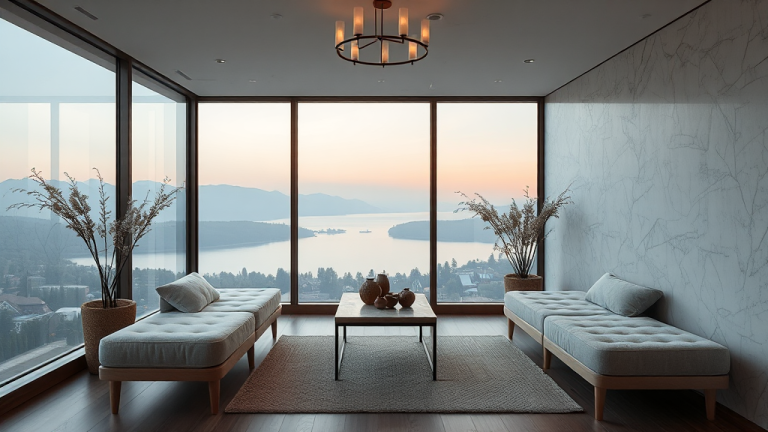
The living room is often the heart of the home, and a well-chosen candelabru can elevate its ambiance. Consider the room’s function: if you use the space for entertaining, a dramatic chandelier with multiple tiers and sparkling crystals creates a festive atmosphere. For a more relaxed family room, a simple, warm-toned candelabru with a dimmer switch allows you to transition from bright playtime to cozy movie nights. Placement is key—center the fixture over the main seating area or a coffee table to anchor the room.
Learn more about candelabru living and how it applies to your specific needs.
In open-plan layouts, a candelabru can define different zones. For instance, a linear chandelier over a dining table or kitchen island visually separates the area from the living space. Use multiple smaller candelabre or a single large statement piece depending on the scale of the room. Pair your chandelier with complementary floor lamps, sconces, or recessed lighting to create layers of light. This not only enhances functionality but also adds depth and dimension to the decor. A arrangement should feel intentional and balanced, drawing attention without overwhelming the senses.
FAQs
What is the difference between a candelabru and a chandelier?
The terms are often used interchangeably, but a candelabru specifically refers to a branched lighting fixture that originally held candles. Today, it generally means any decorative ceiling-mounted fixture with multiple arms, while chandelier is the broader term for ornate hanging lights. In many contexts, they are synonymous.
How do I clean a crystal candelabru without damaging it?
Use a soft, lint-free cloth or a feather duster for regular dusting. For deeper cleaning, mix a small amount of mild dish soap with warm water, dip a cloth in the solution, wring it out well, and gently wipe each crystal. Avoid submerging the fixture or using harsh chemicals. Dry immediately with a clean cloth to prevent water spots.
Can I install a candelabru on a sloped ceiling?
Yes, many candelabru fixtures are compatible with sloped or vaulted ceilings. Look for models with an adjustable canopy or a swivel joint that allows the chandelier to hang straight. Some manufacturers specify the maximum ceiling angle (e.g., 45 degrees). Always check the product specifications before purchasing.
Are LED candelabru more expensive than traditional ones?
Initially, LED candelabru may have a higher upfront cost due to the integrated technology. However, they save money over time through lower energy bills and longer bulb life (often 25,000 to 50,000 hours). They also generate less heat, reducing cooling costs. Considering the total cost of ownership, LED candelabre are often more economical.
What size candelabru should I choose for a small room?
For a small room (e.g., 10×10 feet), choose a candelabru with a diameter of 16 to 20 inches. Avoid oversized fixtures that overwhelm the space. Also consider the height—if ceilings are low (under 8 feet), a flush-mount or semi-flush candelabru may be more appropriate than a hanging chandelier.
Conclusion
A candelabru is more than just a light source—it is a statement of style, a piece of art, and a functional element that shapes the atmosphere of your home. Whether you prefer the classic elegance of crystal, the rustic charm of wrought iron, or the sleek minimalism of LED designs, there is a candelabru to suit every taste and budget. By considering factors like size, style, lighting performance, and installation, you can select a fixture that will bring joy and illumination for years to come. Remember to explore the wide range of available online to find the perfect match for your home. Embrace the timeless beauty of the candelabru and let it transform your living space into a haven of light and elegance.